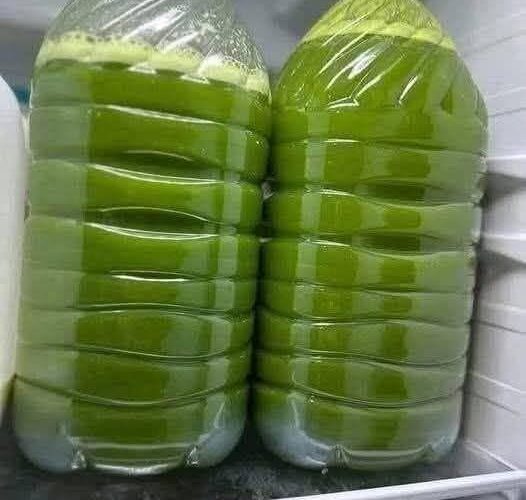
Fresh Green Juice is a vibrant, refreshing, and nutrient-rich drink made with leafy greens, crisp vegetables, fruit, herbs, lemon, and ginger. With its bright green color and refreshing flavor, homemade green juice is an easy way to enjoy a variety of fresh produce in one delicious drink.
This juice combines mild spinach, nutrient-rich kale, hydrating cucumber, crisp celery, tart green apples, fresh lemon, spicy ginger, and aromatic parsley. The result is a balanced drink with natural sweetness, citrusy brightness, herbal freshness, and a gentle ginger finish.
Green juice can be enjoyed at breakfast, alongside brunch, after exercise, or whenever you want a refreshing homemade beverage.
Why You’ll Love This Green Juice
- Fresh and naturally flavorful
- Easy to customize
- Packed with fresh fruits, vegetables, and herbs
- Refreshing and hydrating
- Naturally vibrant in color
- Can be prepared with a juicer or blender
- Perfect for breakfast or a light refreshment
Ingredients
- 2 cups fresh spinach
- 1 cup kale leaves
- 2 medium cucumbers
- 3 celery stalks
- 2 green apples
- 1 lemon, peeled
- 1-inch piece fresh ginger
- 1 handful fresh parsley
- 1 cup cold water, optional for the blender method
- Ice cubes, for serving
Optional Add-Ins
You can customize your green juice with additional fresh ingredients such as:
- Fresh mint leaves
- Green grapes
- Pineapple chunks
- Lime juice
- Coconut water
- Fresh basil
- Pear
- Kiwi
- Cucumber slices
Choosing the Best Ingredients
Spinach
Fresh spinach provides a mild flavor and beautiful green color. Choose leaves that are bright green, crisp, and free from yellowing or slimy spots. Young spinach leaves tend to produce a milder and slightly sweeter juice.
Kale
Kale adds a deeper green color and a stronger vegetable flavor. Look for firm, richly colored leaves without signs of wilting. If the stems are particularly tough, remove them before juicing or blending.
Cucumber
Cucumber adds plenty of liquid, mild sweetness, and a refreshing flavor. Because cucumbers contain a high amount of water, they are especially useful for creating a light and smooth green juice.
Celery
Celery contributes a fresh, slightly savory flavor and helps balance the sweetness of the fruit. Its natural character pairs especially well with cucumber and green apple.
Green Apples
Green apples provide natural sweetness, tartness, and fruity aroma. Their acidity helps balance the earthy flavor of leafy greens.
Lemon
Fresh lemon brightens the entire drink with its citrusy acidity. It helps bring the individual ingredients together and prevents the juice from tasting too heavy or earthy.
Ginger
Fresh ginger adds a pleasant warmth and subtle spiciness. A small amount is usually enough to give the juice a refreshing finish without overpowering the other ingredients.
Parsley
Fresh parsley contributes herbal freshness, aroma, and additional green color. It works particularly well with cucumber, celery, lemon, and apple.
How to Prepare the Ingredients
Before making the juice, prepare all the produce properly.
- Wash the spinach, kale, cucumbers, celery, apples, lemon, ginger, and parsley thoroughly under cold running water.
- Remove damaged, wilted, or blemished portions.
- Remove tough kale stems if desired.
- Cut the cucumbers, apples, and other large ingredients into pieces that fit comfortably into your juicer.
- Peel the lemon and remove any large seeds.
- Prepare the ginger by peeling it if necessary.
Preparing everything before you begin makes the juicing process faster and more efficient.
How to Make Green Juice in a Juicer
Step 1: Juice the Leafy Greens
Start with the spinach and parsley. Feeding leafy ingredients through the juicer first and alternating them with firmer produce can help process them efficiently.
Step 2: Add the Vegetables
Juice the cucumbers and celery. Their high water content helps move the leafy ingredients through the machine.
Step 3: Add the Apples and Lemon
Process the green apples and peeled lemon. The apples provide natural sweetness while the lemon adds brightness.
Step 4: Add the Ginger
Juice the fresh ginger toward the end. This helps distribute its flavor throughout the finished drink.
Step 5: Stir and Serve
Stir the juice thoroughly, taste it, and adjust the flavor if needed. Serve immediately over ice if desired.
How to Make Green Juice Without a Juicer
You can also prepare this recipe using a high-powered blender.
Step 1: Add the Ingredients
Place the spinach, kale, cucumbers, celery, apples, lemon, ginger, and parsley into the blender.
Step 2: Add Water
Add approximately 1 cup of cold water to help the ingredients blend smoothly. Add more if necessary.
Step 3: Blend
Blend on high speed until the mixture becomes as smooth and liquid as possible.
Step 4: Strain
Pour the blended mixture through a fine-mesh strainer or nut milk bag. Press gently to extract as much liquid as possible.
Step 5: Chill and Serve
Pour the strained juice into chilled glasses and serve immediately or refrigerate briefly before serving.
How to Balance the Flavor
The key to delicious green juice is balance.
- Green apple provides sweetness and tartness.
- Cucumber adds freshness and hydration.
- Spinach and kale provide earthy green notes.
- Lemon adds brightness and acidity.
- Ginger contributes warmth and spice.
- Parsley adds herbal complexity.
- Celery provides a subtle savory character.
If the juice tastes too earthy, add a little more apple, lemon, or cucumber. If it tastes too sweet, increase the lemon or celery slightly.
Preparation Time
Preparation Time: 20–25 minutes
Juicing Time: 10–15 minutes
Total Time: 30–40 minutes
Yield: 4 servings
Difficulty: Easy
Nutritional Information
Green juice naturally contains nutrients found in the fruits and vegetables used to prepare it, including vitamin C, vitamin K, folate, potassium, antioxidants, and various plant compounds.
The exact nutritional value will vary depending on the ingredients, quantities, preparation method, and whether the juice is strained.
Because juicing removes much of the fiber found in whole fruits and vegetables, green juice is best enjoyed as part of a varied and balanced diet rather than as a replacement for whole produce.
Serving Suggestions
For the best flavor, serve the juice immediately after preparation.
Try serving it:
- In chilled glasses
- Over ice
- With a lemon slice
- With fresh cucumber slices
- Garnished with mint
- Garnished with a small parsley sprig
- Alongside breakfast or brunch
- As a refreshing drink with a light meal
Green Juice Variations
Pineapple Green Juice
Add a few chunks of fresh pineapple for a sweeter, tropical flavor.
Mint Green Juice
Add a small handful of fresh mint for a particularly cool and refreshing finish.
Coconut Green Juice
Replace some or all of the water with chilled coconut water for additional flavor.
Pear Green Juice
Replace the green apples with ripe pears for a softer and naturally sweet flavor.
Citrus Green Juice
Add lime or a little orange to create a brighter citrus-forward variation.
Green Grape Juice
Add a handful of green grapes for extra fruitiness and natural sweetness.
Storage Instructions
Fresh green juice tastes best when consumed immediately after preparation.
If you need to store it:
- Pour the juice into a clean, airtight glass container.
- Fill the container as close to the top as practical to minimize air exposure.
- Refrigerate promptly.
- Shake or stir before drinking because natural separation can occur.
For the best flavor and freshness, consume refrigerated homemade juice as soon as possible rather than storing it for an extended period.
Common Mistakes to Avoid
- Using wilted or spoiled produce
- Adding too much kale
- Using excessive ginger
- Skipping the lemon
- Failing to wash produce properly
- Using underripe apples
- Overloading the juicer
- Storing the juice for too long
- Not tasting the juice before serving
Troubleshooting
The Juice Tastes Too Bitter
Add more green apple, cucumber, or a small amount of lemon to balance the flavor.
The Juice Is Too Strong
Dilute it with a little cold water or coconut water.
The Juice Is Too Sweet
Add a little more lemon or celery.
The Juice Is Too Thick
Add a small amount of cold water and stir well.
The Juice Separates
Natural separation is completely normal. Simply stir or shake the juice before serving.
The Juice Tastes Too Spicy
If the ginger flavor is too strong, dilute the juice with cucumber juice, water, or additional apple.
Professional Tips for Better Green Juice
- Use the freshest produce available.
- Chill the ingredients before juicing for a colder drink.
- Balance leafy greens with fruit and cucumber.
- Add stronger ingredients such as ginger gradually.
- Taste the finished juice before serving.
- Clean your juicer or blender immediately after use.
- Experiment with one new ingredient at a time so you can identify your favorite combinations.
- Serve the juice as soon as possible for the freshest flavor.
Frequently Asked Questions
Can I make green juice without a juicer?
Yes. A high-powered blender can be used instead. Blend the ingredients with cold water and strain the mixture through a fine-mesh strainer or nut milk bag.
Can I use frozen ingredients?
Fresh produce generally provides the best texture and flavor for juicing. If using frozen fruit, allow it to thaw enough for your equipment to process it safely.
Can I make green juice ahead of time?
Green juice is best enjoyed immediately, but it can be refrigerated in a clean, airtight container for short-term storage. Shake well before serving.
Why does my green juice taste bitter?
The bitterness may come from large quantities of kale, parsley, celery, or other strong greens. Try increasing the cucumber or apple and adding lemon to create a more balanced flavor.
Do I have to strain blender-made green juice?
No. Straining is optional, but it produces a smoother, more juice-like drink. Leaving the mixture unstrained will retain more of the produce’s fiber and create a thicker texture.