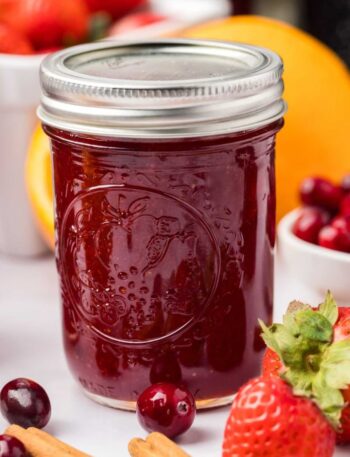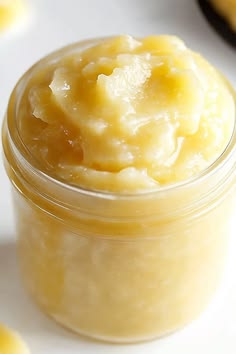
If you’re looking for a fun, fruity, and irresistible homemade spread, Monkey Butter is a perfect choice. Despite the playful name, there are no monkeys involved—just a delightful blend of bananas, pineapple, and coconut that creates a tropical-flavored preserve. It’s sweet, slightly tangy, and incredibly versatile. You can spread it on toast, drizzle it over pancakes, mix it into yogurt, or even use it as a dessert topping. This recipe is simple to follow and results in a rich, golden jam-like butter that captures sunshine in every spoonful.
Ingredients:
- 5 ripe bananas (mashed)
- 1 can (20 oz) crushed pineapple (with juice)
- 1 cup granulated sugar
- ½ cup sweetened shredded coconut
- 2 tablespoons lemon juice (fresh preferred)
- 1 teaspoon vanilla extract
Instructions:
Start by preparing your bananas. Choose ripe bananas with brown spots, as they are naturally sweeter and mash more easily. Peel them and place them in a large mixing bowl. Mash them thoroughly using a fork or potato masher until you achieve a smooth consistency with minimal lumps.
Next, transfer the mashed bananas into a medium-sized saucepan or pot. Add the crushed pineapple along with its juice. The juice is important because it adds both flavor and moisture to the mixture. Stir the bananas and pineapple together until well combined.
Add the sugar to the fruit mixture and stir thoroughly. The sugar not only sweetens the spread but also helps preserve it. Place the pot over medium heat and begin cooking the mixture. Stir frequently to prevent sticking or burning.
As the mixture heats up, you’ll notice it becoming more liquid. Continue stirring until the sugar completely dissolves. Once it starts to bubble gently, reduce the heat slightly and let it simmer. Allow it to cook for about 10–15 minutes, stirring occasionally. During this time, the mixture will begin to thicken slightly.
Add the shredded coconut to the pot and stir it in evenly. The coconut gives Monkey Butter its signature texture and tropical flavor. Continue cooking for another 5–10 minutes, allowing the mixture to thicken further.
Now, stir in the lemon juice. This step is essential because the acidity helps balance the sweetness and also acts as a natural preservative. Continue simmering the mixture for another 5 minutes.
Finally, remove the pot from heat and stir in the vanilla extract. The vanilla enhances the overall flavor and gives the spread a warm, aromatic finish.
Texture and Consistency:
Monkey Butter should have a thick, spoonable consistency similar to jam. It will continue to thicken slightly as it cools. If you prefer a smoother texture, you can use an immersion blender to puree the mixture briefly, but this step is optional.
Storage:
Allow the Monkey Butter to cool completely before transferring it into clean, airtight jars. Store it in the refrigerator, where it will keep fresh for up to 2–3 weeks.
If you’d like to store it for longer, you can use proper canning methods. Pour the hot mixture into sterilized jars, leaving a little headspace, then seal and process in a boiling water bath for about 10 minutes. Properly canned Monkey Butter can last up to a year when stored in a cool, dark place.
Serving Suggestions:
Monkey Butter is incredibly versatile and can be used in many delicious ways:
- Spread it on toast, bagels, or muffins
- Use it as a topping for pancakes, waffles, or French toast
- Swirl it into yogurt or oatmeal
- Add it as a filling in cakes or pastries
- Serve it alongside peanut butter for a tropical sandwich twist
Tips for Best Results:
- Use very ripe bananas for maximum sweetness and flavor.
- Stir frequently during cooking to prevent sticking.
- Adjust sugar based on your taste preference, especially if your fruit is very sweet.
- For a slightly tangier flavor, you can increase the lemon juice slightly.
Variations:
You can easily customize Monkey Butter to suit your taste:
- Add a pinch of cinnamon or nutmeg for a warm spice note.
- Mix in chopped nuts like walnuts or pecans for added texture.
- Substitute part of the sugar with honey for a different sweetness profile.