Introduction
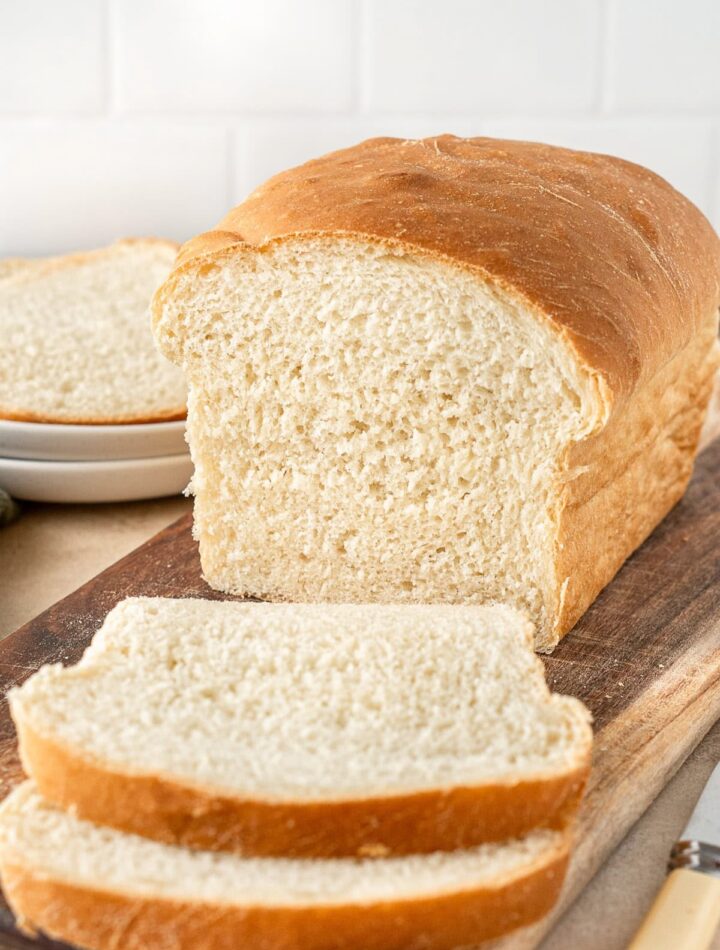
If you love the rich flavor of sourdough but prefer the soft texture of classic sandwich bread, this recipe is exactly what you need. Unlike traditional crusty sourdough loaves, this sandwich bread is tender, slightly chewy, and easy to slice—perfect for toast, sandwiches, or even French toast. It uses an active sourdough starter for natural fermentation, which enhances flavor, improves digestibility, and extends shelf life.
Ingredients
For the Dough:
- 500g (about 4 cups) bread flour
- 100g (½ cup) active sourdough starter (fed and bubbly)
- 300ml (1¼ cups) warm water or milk (milk makes it softer)
- 30g (2 tbsp) sugar or honey
- 30g (2 tbsp) butter or oil (softened)
- 10g (1½ tsp) salt
Equipment
- Mixing bowl
- Dough scraper (optional)
- Loaf pan (9×5 inch)
- Clean kitchen towel or plastic wrap
Step-by-Step Instructions
1. Mix the Dough
In a large bowl, combine the sourdough starter, warm water (or milk), and sugar or honey. Stir until the starter dissolves. Add the flour and mix until a rough dough forms. Let it rest for 20–30 minutes—this step is called autolyse and helps develop gluten naturally.
2. Add Salt and Butter
After resting, add salt and softened butter (or oil). Knead the dough by hand for about 8–10 minutes until it becomes smooth and elastic. You can also use a stand mixer for about 5–6 minutes on medium speed.
3. Bulk Fermentation
Place the dough in a lightly greased bowl and cover it. Let it rise at room temperature for 4–6 hours. During this time, perform 2–3 stretch-and-folds every 30–45 minutes in the first 2 hours. This strengthens the dough and improves structure.
The dough should increase in size but doesn’t need to fully double.
4. Shape the Dough
Turn the dough onto a lightly floured surface. Gently flatten it into a rectangle, then roll it tightly into a log. Pinch the seams closed and place it seam-side down into a greased loaf pan.
5. Final Proof
Cover the loaf and let it rise again for 2–4 hours at room temperature, or until it rises about 1 inch above the rim of the pan. For a more developed flavor, you can refrigerate the dough overnight and bake the next day.
6. Bake
Preheat your oven to 180°C (350°F). Bake the bread for 30–35 minutes, or until the top is golden brown and the loaf sounds hollow when tapped.
For a softer crust, brush the top with melted butter immediately after baking.
7. Cool Before Slicing
Remove the bread from the pan and let it cool completely on a wire rack before slicing. This step is important to avoid a gummy texture.
Tips for Best Results
- Use active starter: Your sourdough starter should be bubbly and recently fed for best rise.
- Milk vs water: Milk creates a softer, richer loaf, while water gives a more traditional sourdough texture.
- Don’t rush fermentation: Sourdough takes time. Warmer temperatures speed up the process, while cooler ones slow it down.
- Check doneness: Internal temperature should be around 90–95°C (195–205°F).
- Storage: Store in an airtight container at room temperature for 2–3 days or freeze slices for longer storage.
Variations
- Whole Wheat Version: Replace up to 50% of the bread flour with whole wheat flour. Add a little extra liquid if needed.
- Honey Oat Bread: Add ½ cup rolled oats and use honey instead of sugar.
- Seeded Loaf: Mix in sunflower seeds, sesame seeds, or flaxseeds for extra nutrition and texture.
Serving Ideas
This sourdough sandwich bread is incredibly versatile:
- Toast with butter and jam
- Classic egg or chicken sandwiches
- Grilled cheese
- French toast
- Peanut butter and honey